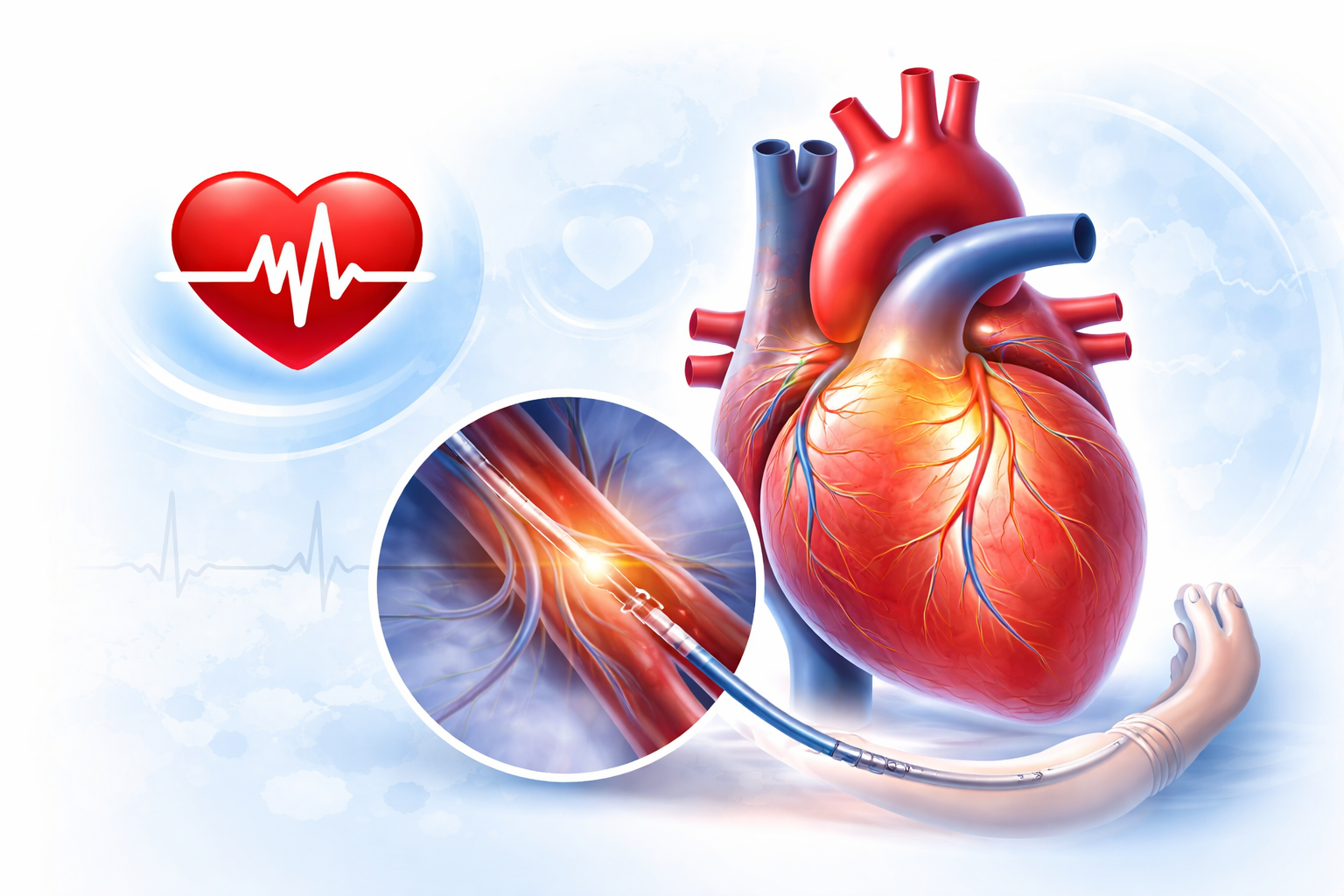
Exercise after stenting can play an important role in heart recovery and overall cardiovascular health. Regular physical activity can improve fitness, help control blood pressure and cholesterol, support a healthy weight, and reduce the risk of future heart problems. However, exercise should be restarted gradually and according to your cardiologist’s advice.
When Can You Start Exercising After a Stent?
The timing for returning to exercise depends on the type of procedure, the number of stents placed, your overall health, and whether there were any complications. Many patients can begin light physical activity soon after the procedure, but strenuous exercise should be avoided until the treating doctor confirms that it is safe.
Your cardiologist may recommend a structured cardiac rehabilitation program. This supervised program can help you safely increase your activity level while monitoring your heart rate, symptoms, and progress.
Recommended Exercises After Stenting
Once your doctor gives you permission to exercise, low- to moderate-intensity activities are generally preferred. Common options include:
- Walking: Start with short, comfortable walks and gradually increase the duration.
- Light cycling: Stationary cycling may be suitable when approved by your doctor.
- Stretching: Gentle stretching can improve flexibility and mobility.
- Light household activities: Gradually returning to normal daily activities can help rebuild stamina.
- Breathing exercises: Relaxed breathing exercises may support relaxation and stress management.
How to Increase Exercise Gradually
After your doctor approves exercise, increase your activity slowly rather than trying to return immediately to your previous fitness level. Begin with a comfortable pace and gradually increase the duration and intensity as your fitness improves.
A simple walking routine may start with a short walk and increase gradually over time. You should be able to exercise without significant chest discomfort, severe breathlessness, dizziness, or unusual weakness.
Exercises to Avoid Initially
During the early recovery period, avoid strenuous activities unless your cardiologist has specifically cleared you for them. These may include:
- Heavy weightlifting
- High-intensity workouts
- Sudden sprinting or intense running
- Activities involving heavy pushing or pulling
- Competitive sports without medical clearance
If your stent was placed through the wrist or groin, your doctor may also provide specific instructions regarding lifting and strenuous activity while the access site heals.
Important Precautions During Exercise
- Always follow your cardiologist’s exercise recommendations.
- Start slowly and include a gentle warm-up and cool-down.
- Stay hydrated unless your doctor has advised fluid restriction.
- Avoid exercising immediately after a heavy meal.
- Take your prescribed heart medications as directed.
- Do not suddenly increase exercise intensity.
- Stop exercising if you develop unusual symptoms.
Warning Signs During Exercise
Stop exercising and seek medical attention if you experience symptoms such as:
- Chest pain, pressure, or tightness
- Severe or unusual shortness of breath
- Dizziness or fainting
- Cold sweating
- Rapid or irregular heartbeat accompanied by discomfort
- Unusual weakness or extreme fatigue
- Pain spreading to the arm, shoulder, jaw, back, or neck
If chest pain is severe, persistent, or accompanied by significant breathing difficulty, sweating, fainting, or other symptoms of a possible heart attack, seek emergency medical care immediately.
Benefits of Regular Exercise After Stenting
Once safely introduced, regular physical activity can provide several benefits for people recovering after coronary stenting. It can improve cardiovascular fitness, help maintain a healthy weight, support blood pressure and cholesterol management, and improve overall quality of life.
Role of Cardiac Rehabilitation
Cardiac rehabilitation is a medically supervised program designed to help people recover after certain heart procedures and conditions. It may include exercise training, education about heart-healthy lifestyle changes, nutrition guidance, and support for managing cardiovascular risk factors.
Exercise and a Heart-Healthy Lifestyle
Exercise works best when combined with other healthy habits. After stenting, continue taking prescribed medications and work with your healthcare team to manage cholesterol, blood pressure, diabetes, weight, and other cardiovascular risk factors.
- Follow a heart-healthy diet
- Avoid smoking and tobacco products
- Maintain a healthy body weight
- Manage stress
- Take prescribed medications regularly
- Attend recommended follow-up appointments
When to Contact Your Doctor?
Contact your cardiologist if you develop new or worsening chest discomfort, unusual breathlessness, dizziness, palpitations, or a significant decrease in your ability to exercise. Your doctor can determine whether you need an examination or additional testing before continuing your exercise routine.
Exercise can be an important part of recovery after stenting, but the right timing and intensity are different for every patient. Start gradually, follow your cardiologist’s recommendations, and listen to your body. A structured cardiac rehabilitation program can be especially helpful for safely returning to regular physical activity.