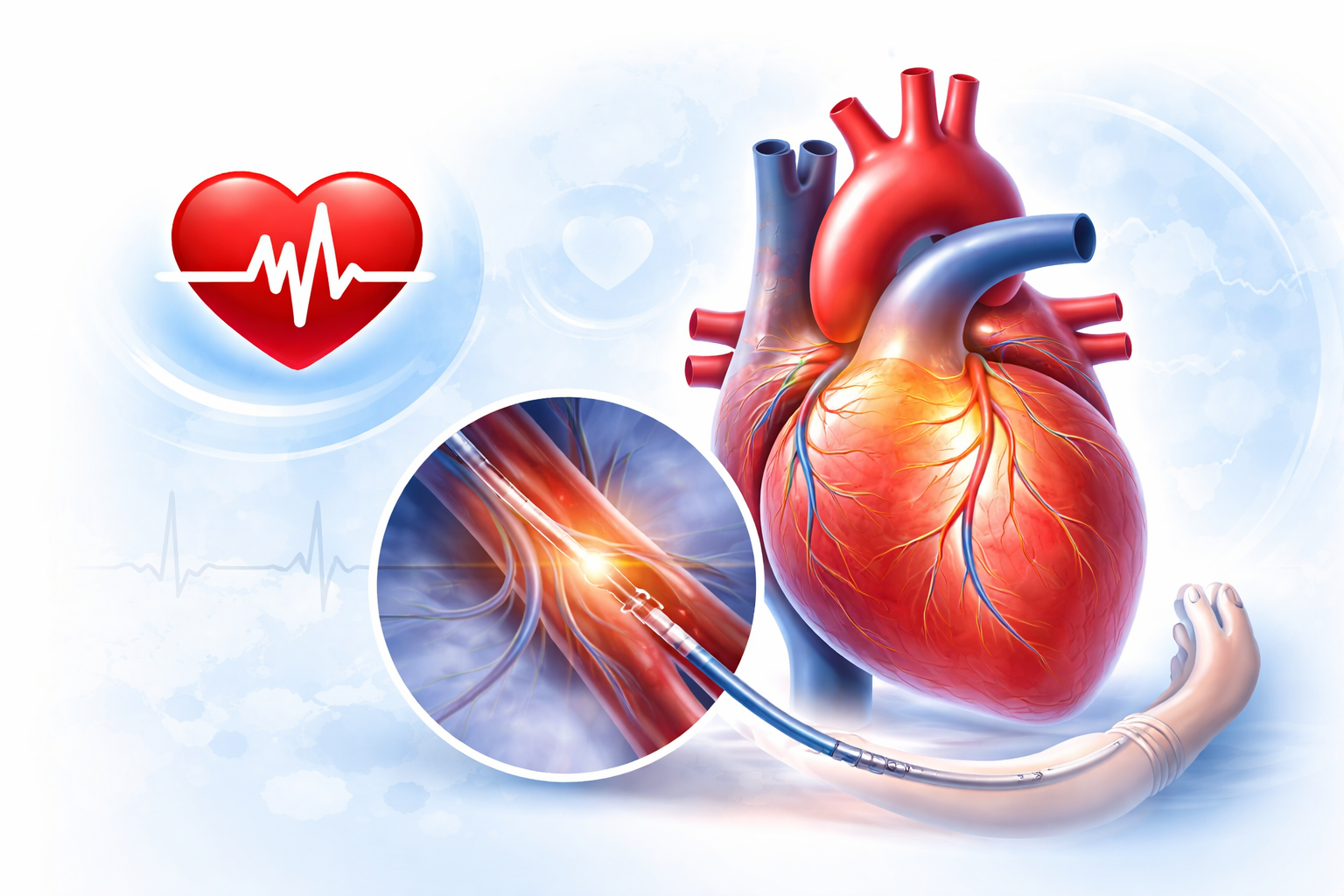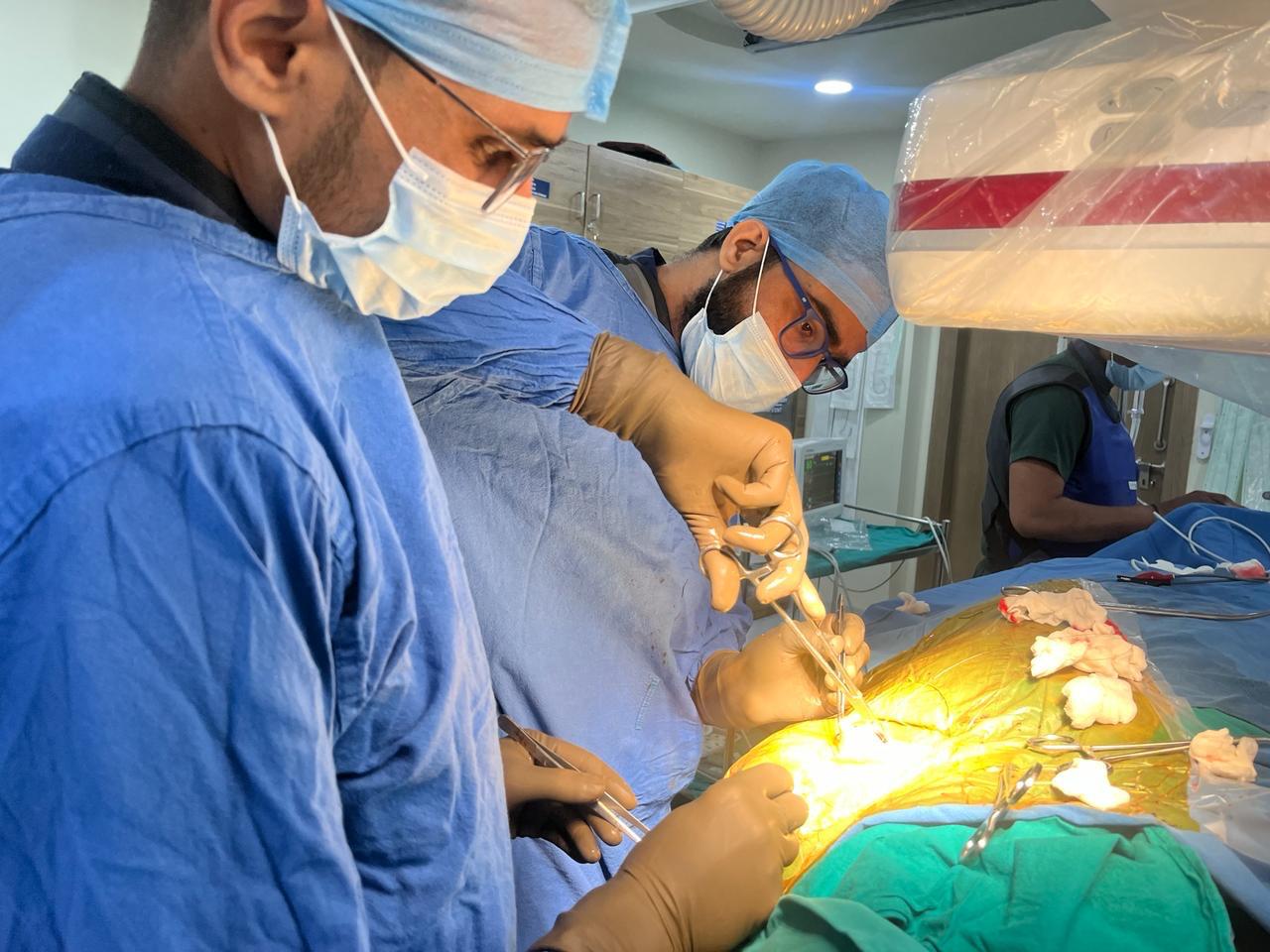
Angioplasty is a minimally invasive medical procedure used to open blocked or narrowed arteries and restore proper blood flow to the heart. It is one of the most common and effective treatments for patients suffering from coronary artery disease (CAD).
What is Angioplasty?
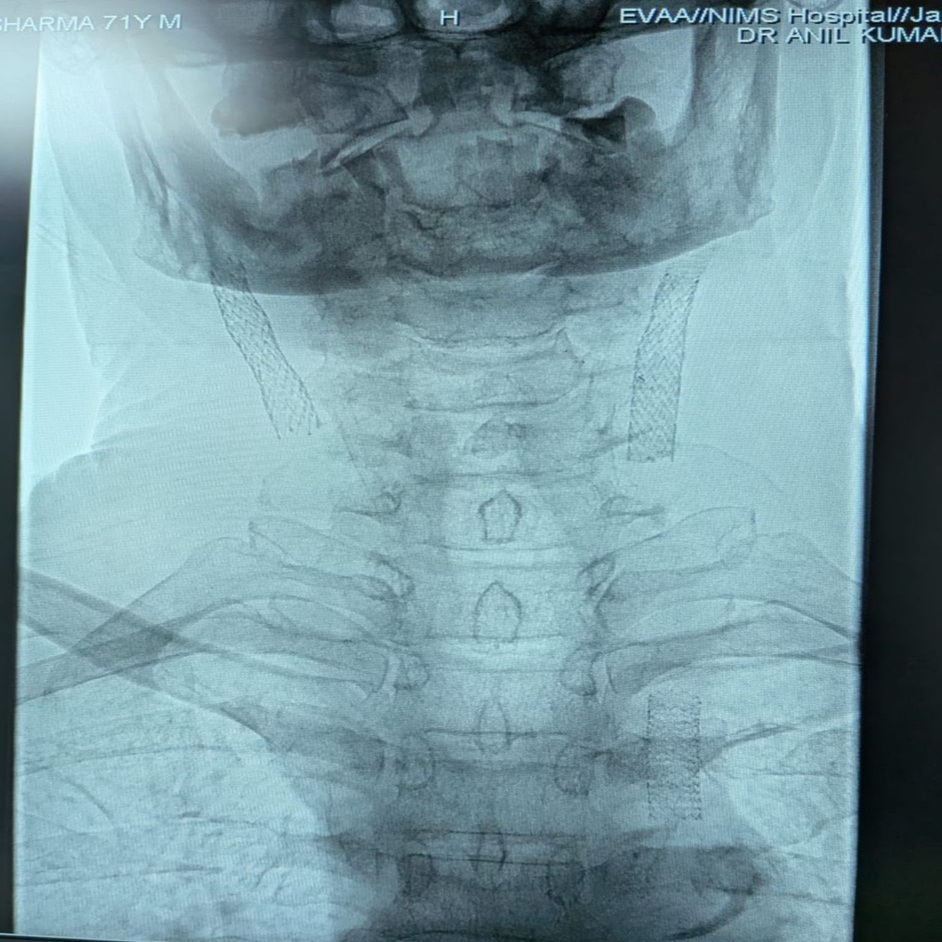
Angioplasty, also known as Percutaneous Coronary Intervention (PCI), involves inserting a small balloon into the blocked artery and inflating it to widen the passage. In most cases, a stent (a small mesh tube) is placed to keep the artery open and prevent future blockage.
Why is Angioplasty Needed?
Angioplasty is recommended when blood flow to the heart is restricted due to plaque buildup. It helps relieve symptoms and reduces the risk of heart attack. Doctors may suggest this procedure in cases of:
- Severe chest pain (angina)
- Blocked coronary arteries
- Heart attack (emergency treatment)
- Reduced blood flow affecting heart function
How the Procedure is Performed
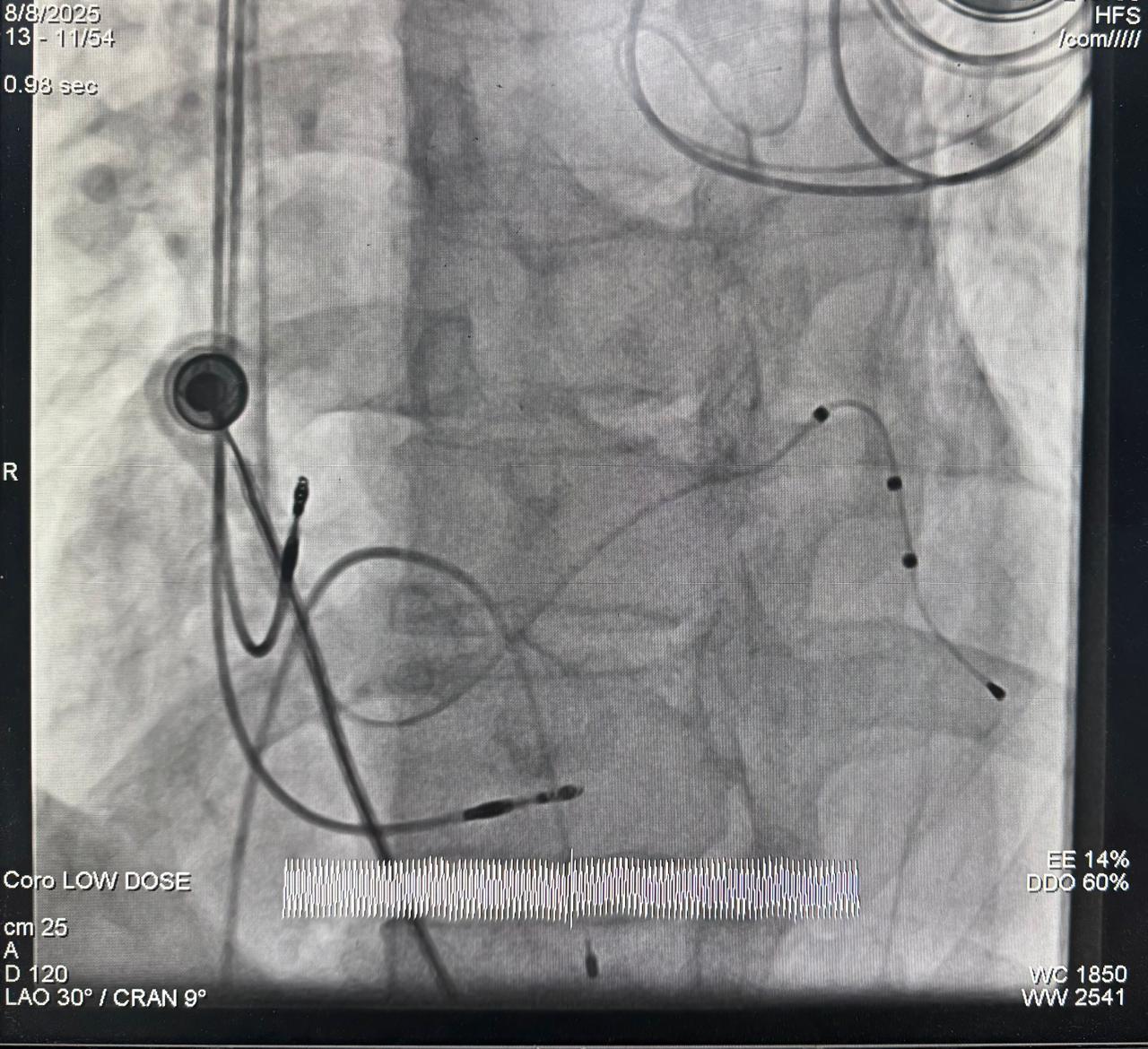
The procedure is usually performed under local anesthesia and does not require major surgery. A thin tube (catheter) is inserted through the wrist or groin and guided to the blocked artery.
- A small balloon is inflated to open the blockage
- A stent is placed to keep the artery open
- The balloon is removed after the artery is widened
Benefits of Angioplasty
- Improves blood flow to the heart
- Relieves chest pain and discomfort
- Reduces risk of heart attack
- Minimally invasive with quick recovery
Recovery After Angioplasty
Most patients recover quickly and can return home within a day or two. However, lifestyle changes are essential for long-term success.
- Follow prescribed medications
- Adopt a heart-healthy diet
- Exercise regularly
- Avoid smoking and manage stress
Are There Any Risks?
Angioplasty is generally safe, but like any medical procedure, it carries some risks such as:
- Bleeding at the catheter site
- Re-narrowing of the artery
- Allergic reaction to contrast dye
When to Consult a Doctor?
If you experience persistent chest pain, shortness of breath, or symptoms of a heart attack, immediate medical attention is necessary. Early intervention can save lives.
Angioplasty has transformed heart care by offering a safe and effective way to treat blocked arteries. With proper care and lifestyle changes, patients can lead a healthy and active life after the procedure.