Heart blockage occurs when the arteries that supply blood to the heart become narrowed or blocked due to the buildup of fatty deposits, also known as plaque. This condition can reduce blood flow to the heart, leading to serious complications if not treated on time.
What is Heart Blockage?
Heart blockage, also called coronary artery disease (CAD), develops over time as cholesterol and other substances accumulate in the artery walls. This buildup restricts oxygen-rich blood from reaching the heart muscles, which can affect normal heart function.
Common Causes
- High cholesterol levels
- High blood pressure
- Smoking and tobacco use
- Diabetes
- Obesity and lack of physical activity
- Unhealthy diet (high in fats and sugars)
Symptoms of Heart Blockage
In the early stages, heart blockage may not show noticeable symptoms. However, as the condition progresses, patients may experience:
- Chest pain or discomfort (Angina)
- Shortness of breath
- Fatigue or weakness
- Dizziness or lightheadedness
- Pain in arms, neck, jaw, or back
Diagnosis
Doctors use several diagnostic tests to identify heart blockage, including:
- Electrocardiogram (ECG)
- Stress test
- 2D Echocardiography
- Coronary Angiography
Treatment Options
Treatment depends on the severity of blockage and overall health of the patient. Common options include:
- Medications: To control cholesterol, blood pressure, and prevent clots
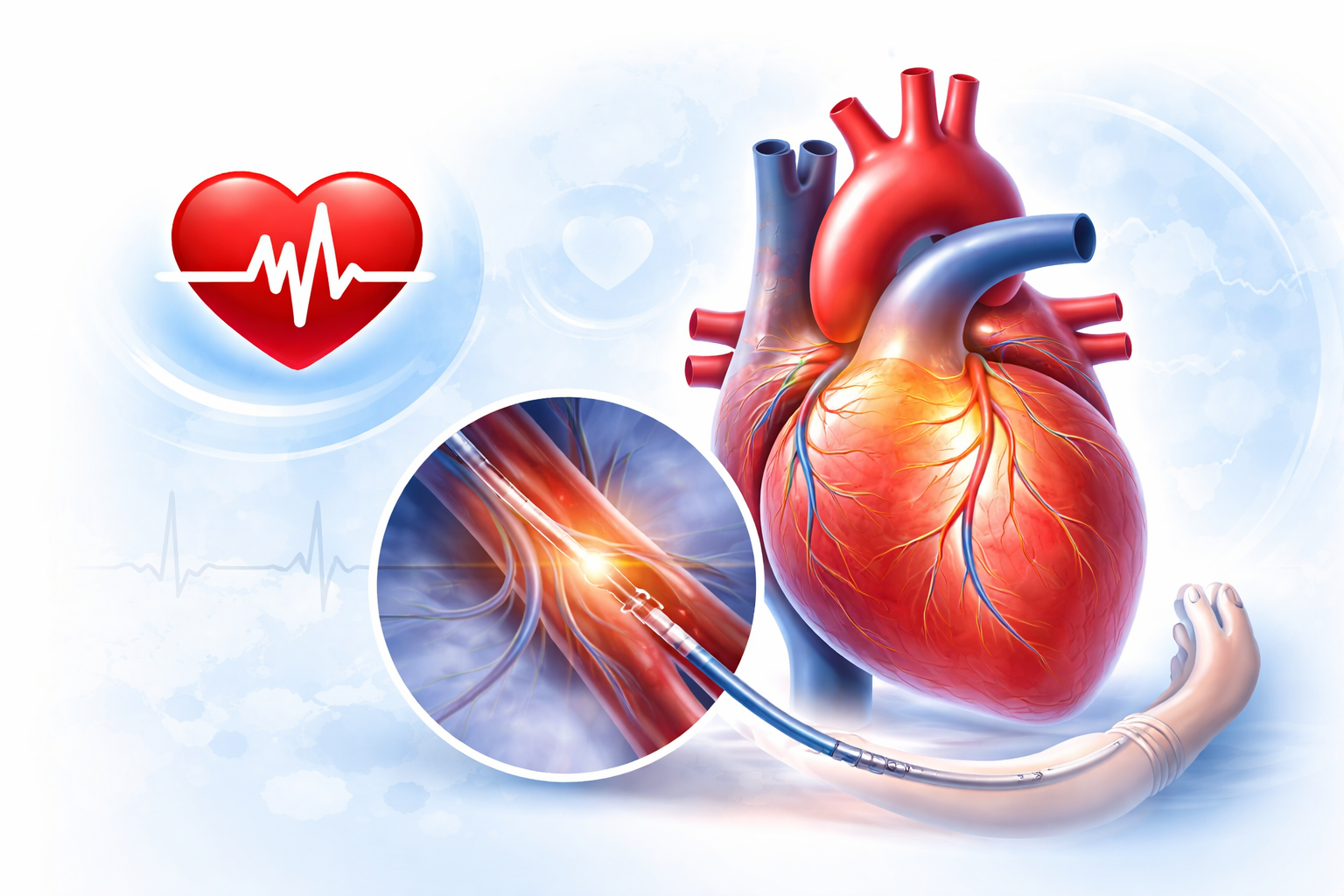
- Angioplasty: A minimally invasive procedure to open blocked arteries
- Bypass Surgery: Creating a new path for blood flow around the blockage
Prevention Tips
Preventing heart blockage is possible with healthy lifestyle choices:
- Maintain a balanced diet
- Exercise regularly
- Avoid smoking and alcohol
- Manage stress effectively
- Regular health checkups
When to See a Doctor?
If you experience chest pain, breathlessness, or unusual fatigue, it is important to seek medical attention immediately. Early diagnosis can prevent life-threatening complications.
Taking care of your heart today ensures a healthier tomorrow. Regular monitoring and timely treatment can significantly reduce the risks associated with heart blockage.