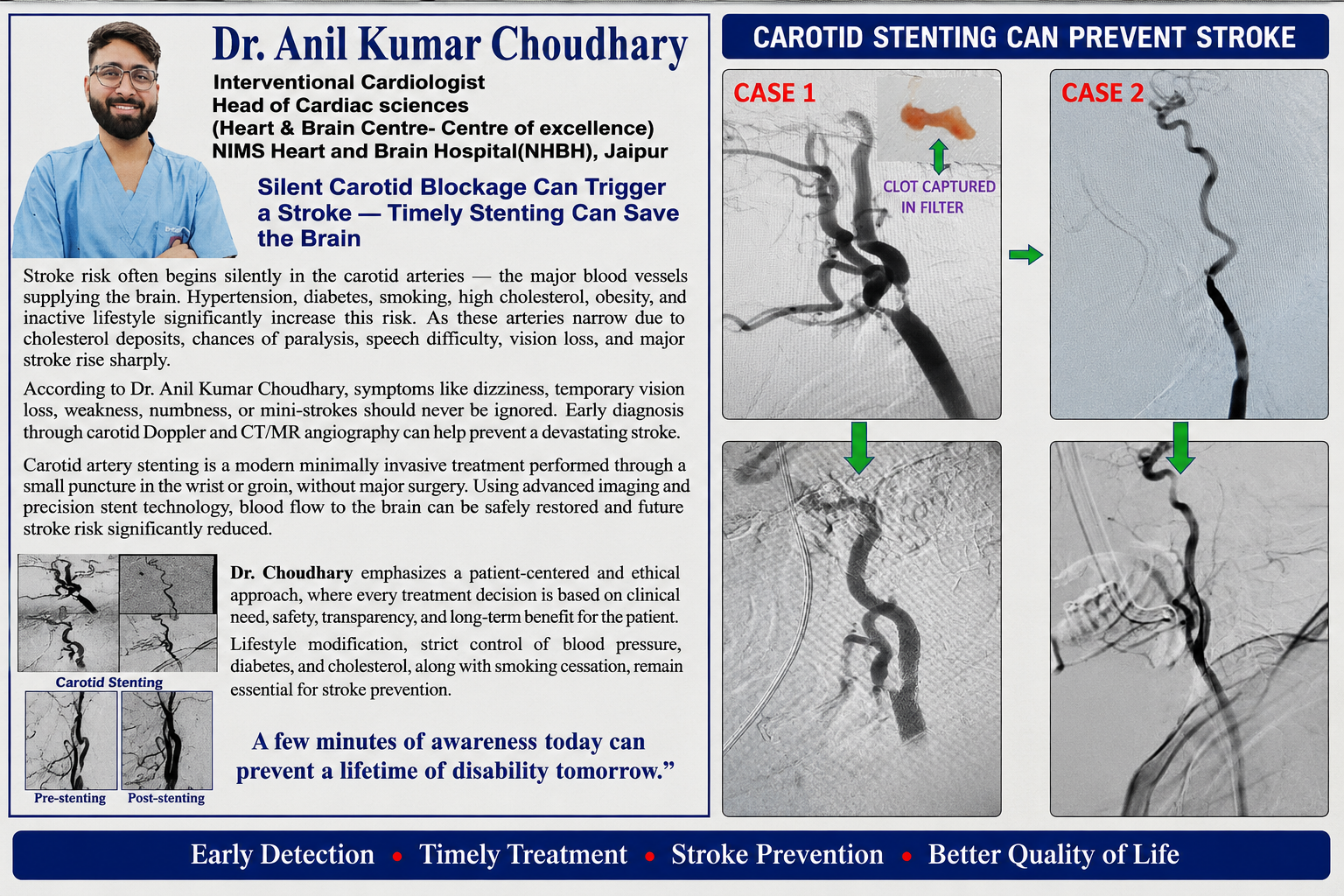
Stroke is one of the leading causes of disability and death worldwide. Most strokes occur when blood flow to the brain is blocked, preventing oxygen and nutrients from reaching brain cells. One of the most common causes of ischemic stroke is carotid artery disease, a condition where the carotid arteries become narrowed due to plaque buildup. Fortunately, modern treatments such as carotid artery stenting can help restore blood flow and reduce stroke risk.
```What is a Stroke?
A stroke occurs when the blood supply to a part of the brain is interrupted or reduced. Without oxygen, brain cells begin to die within minutes, making stroke a medical emergency.
- Ischemic Stroke – Caused by blockage of blood flow to the brain
- Hemorrhagic Stroke – Caused by bleeding within the brain
- Transient Ischemic Attack (TIA) – A temporary blockage often called a mini-stroke
Stroke Warning Signs: Remember FAST
Early recognition of stroke symptoms can save lives and reduce permanent disability.
- F – Face Drooping
- A – Arm Weakness
- S – Speech Difficulty
- T – Time to Seek Emergency Medical Care
Additional symptoms may include sudden vision problems, dizziness, loss of balance, severe headache, confusion, or numbness on one side of the body.
What is Carotid Artery Disease?
The carotid arteries are the major blood vessels located on either side of the neck that supply blood to the brain. Over time, fatty deposits known as plaque can accumulate inside these arteries, causing narrowing or blockage. This condition is called carotid artery disease and significantly increases the risk of stroke.
Risk Factors for Carotid Artery Disease
- High blood pressure
- High cholesterol levels
- Diabetes
- Smoking
- Obesity
- Sedentary lifestyle
- Family history of cardiovascular disease
- Increasing age
What is Carotid Artery Stenting?
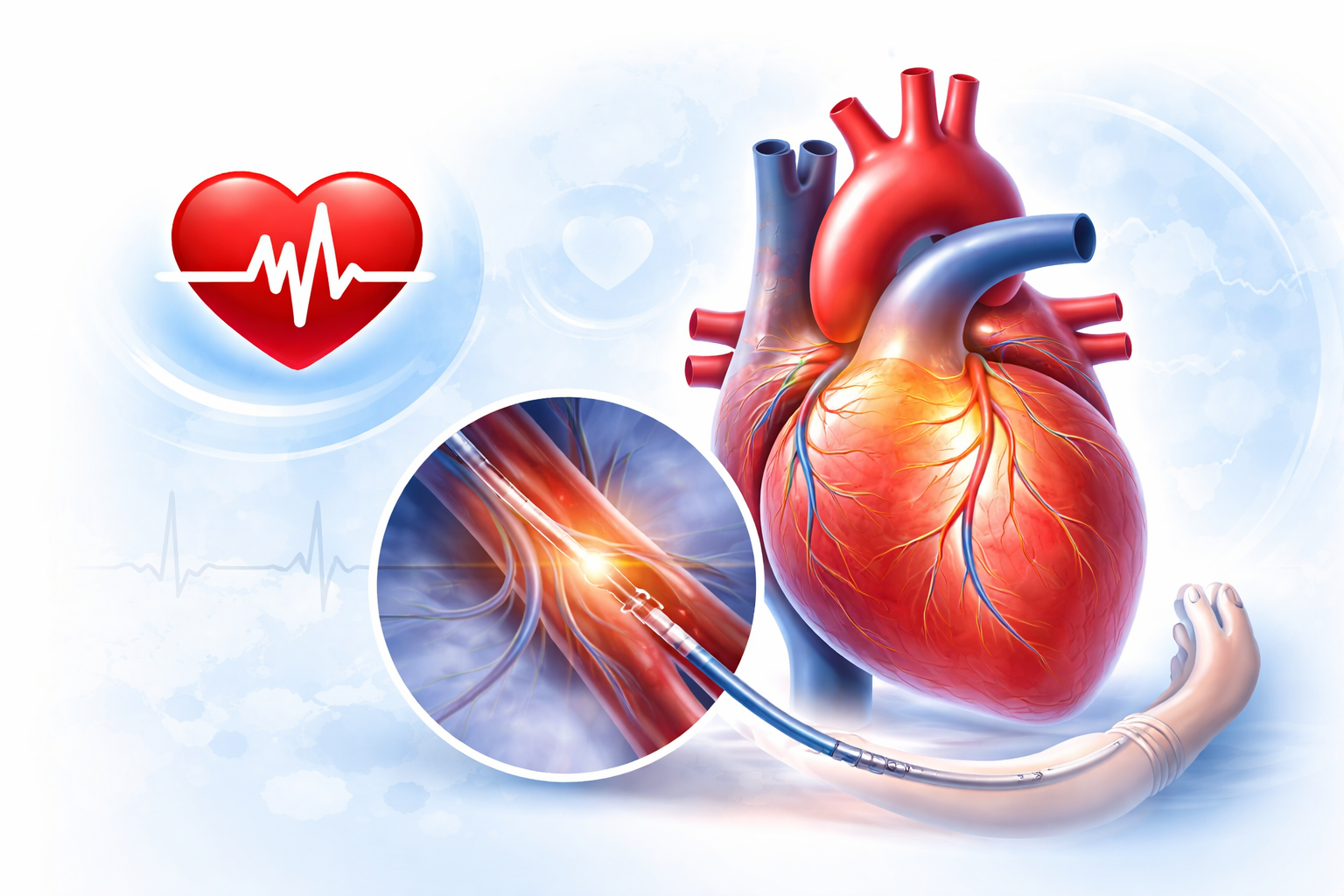
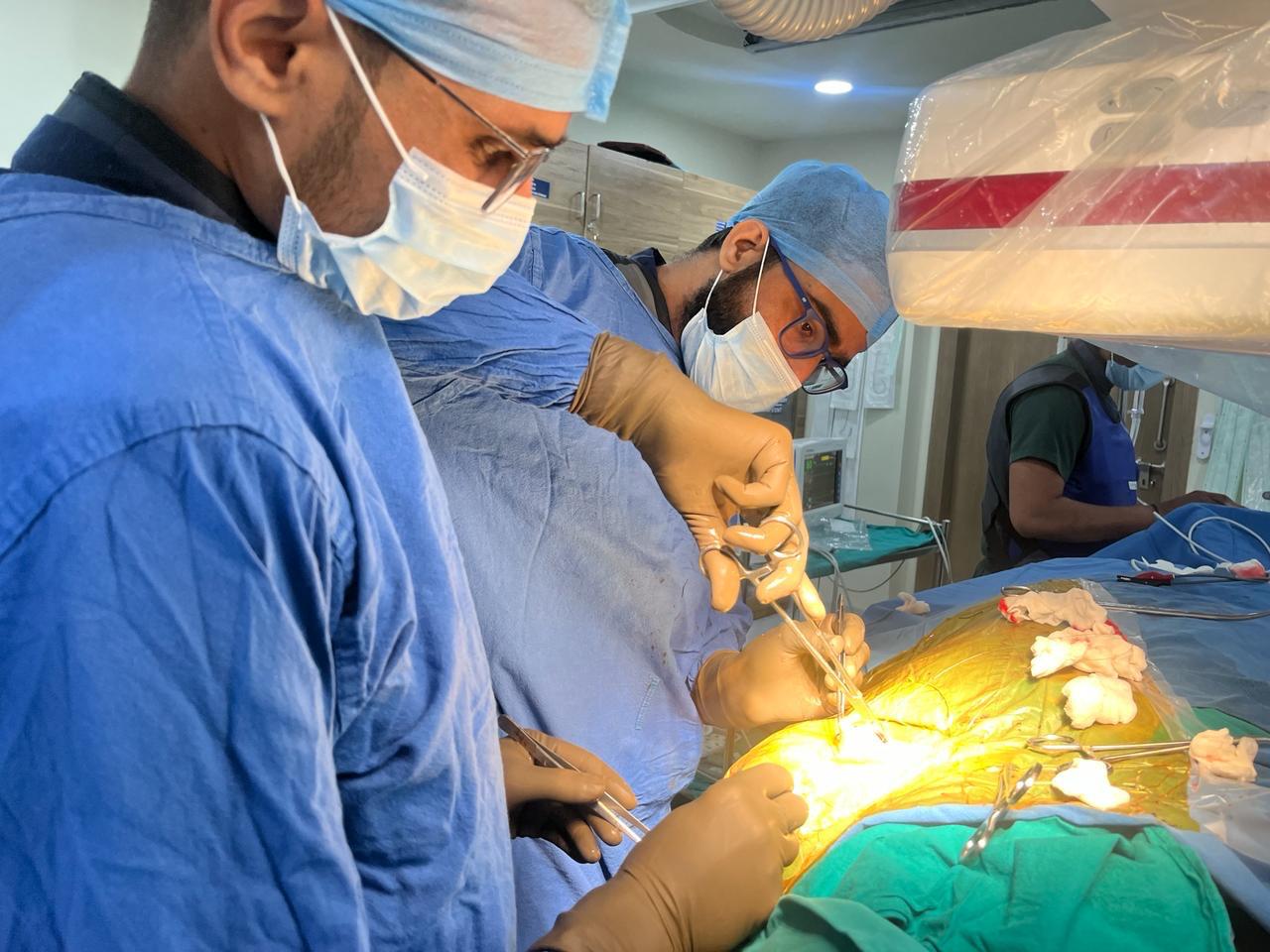
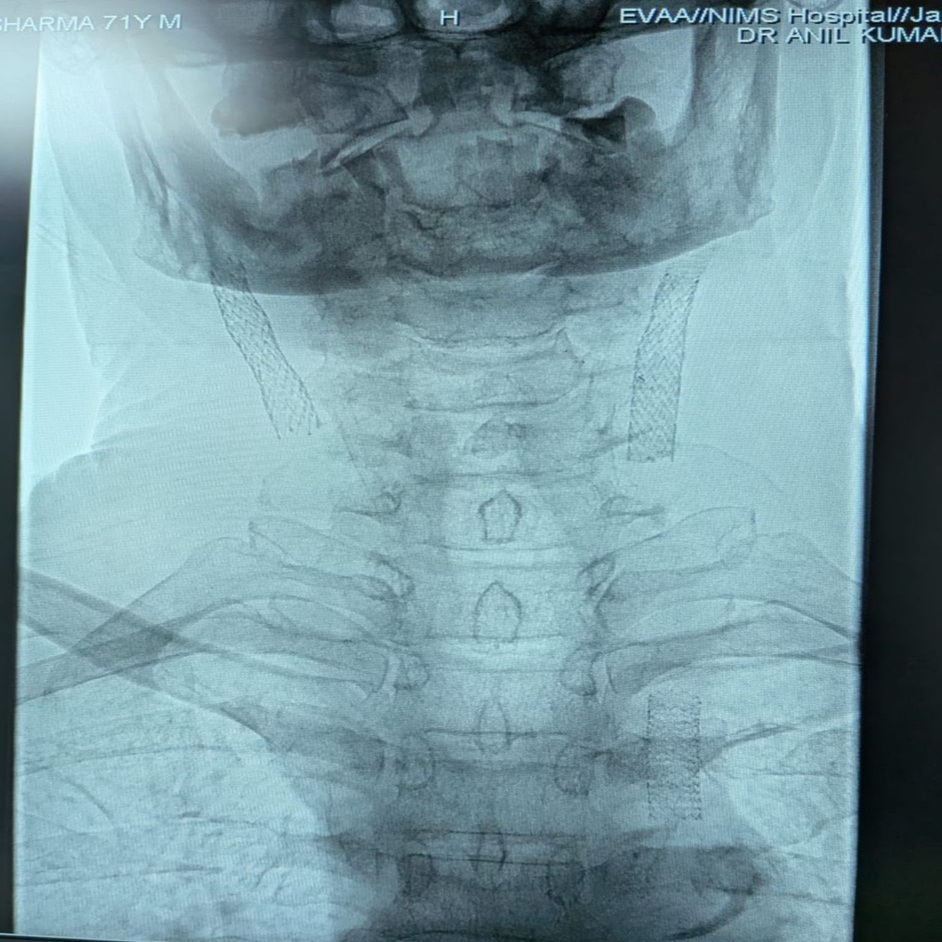
Carotid artery stenting is a minimally invasive procedure used to treat narrowed carotid arteries and reduce the risk of stroke. During the procedure, a catheter is inserted through an artery and guided to the blockage. A small balloon may be used to widen the artery, followed by placement of a stent that keeps the artery open and maintains healthy blood flow to the brain.
Benefits of Carotid Stenting
- Minimally invasive treatment option
- Reduced risk of future stroke
- Shorter hospital stay
- Faster recovery compared to open surgery
- Improved blood flow to the brain
- Suitable for selected high-risk surgical patients
Who May Need Carotid Stenting?
Carotid stenting may be recommended for patients with significant carotid artery narrowing, those who have experienced a TIA or stroke, or individuals who are not suitable candidates for carotid surgery.
- Patients with severe carotid artery blockage
- Individuals with recurrent carotid narrowing
- Patients at high surgical risk
- People with symptoms related to reduced brain blood flow
Diagnosis of Carotid Artery Disease
Several advanced imaging tests can help identify carotid artery disease and assess stroke risk.
- Carotid Doppler Ultrasound
- CT Angiography (CTA)
- MR Angiography (MRA)
- Conventional Angiography
Stroke Prevention Tips
Prevention remains the most effective strategy against stroke. Healthy lifestyle choices can significantly reduce risk.
- Control blood pressure and cholesterol
- Manage diabetes effectively
- Quit smoking
- Maintain a healthy weight
- Exercise regularly
- Follow a heart-healthy diet
- Take prescribed medications regularly
- Attend routine medical checkups
Advantages of Early Detection and Treatment
- Reduced stroke risk
- Improved brain health
- Better long-term quality of life
- Lower chances of disability
- Improved treatment outcomes
When Should You Consult a Cardiologist?
Seek immediate medical evaluation if you experience any symptoms suggestive of stroke or have risk factors for carotid artery disease.
- Sudden weakness or numbness
- Difficulty speaking or understanding speech
- Vision loss or blurred vision
- Persistent dizziness or loss of balance
- History of TIA or previous stroke
- Known carotid artery narrowing
About Dr. Anil Choudhary
Dr. Anil Choudhary is a highly experienced cardiology specialist dedicated to providing advanced cardiovascular care. He specializes in coronary artery disease, angioplasty, stenting procedures, preventive cardiology, and comprehensive heart and vascular health management. Using modern diagnostic techniques and evidence-based treatments, he helps patients reduce cardiovascular risks and improve long-term health outcomes.
To learn more about stroke prevention, carotid artery disease, and advanced cardiovascular treatments, visit www.dranilchoudhary.com.
Early detection of carotid artery disease and timely intervention can significantly reduce the risk of stroke. With proper awareness, preventive care, and advanced treatments such as carotid artery stenting, patients can protect their brain health and enjoy a better quality of life.